A Buddhist take on the dream of the abandoned classroom
Perspective: buddhist
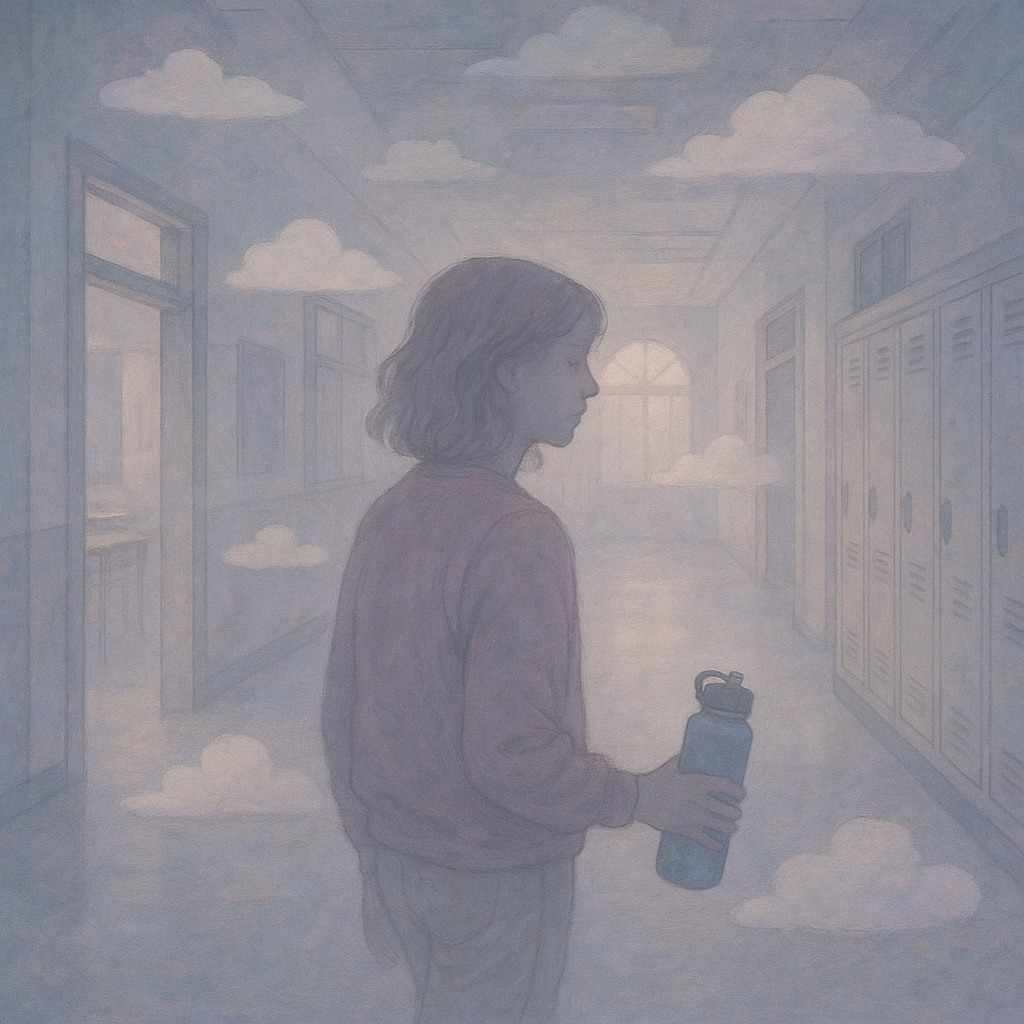
Your Dream
I found myself wandering the corridors of my old middle school, except everything was more faded and silent than I remembered. I was carrying my reusable water bottle (the one with the chipped blue paint) and every time it bumped against my leg, it made a hollow clunk, echoey and weird. Eventually, I pushed open a heavy door and entered a classroom—it was clearly abandoned, desks pushed into random clusters, chalk dust in the air. I could actually taste it, dry and a little bitter, as if I had bitten down on a piece of old eraser. I noticed a broken clock above the blackboard, its hands frozen at 2:37, and for a reason I couldn’t explain, I felt like I’d interrupted something. There were faded drawings and math scribbles on the board. I sat down at one of the desks, my knees barely fitting, and waited for... I don't know what. I think the smell was strongest then—old paper and that musty, classroom-cleaner scent.
Your Dream, Revealed
A calm, guided space to explore what this dream may be reflecting back to you.
Dream Overview
This dream unfolds in the faded corridors of the dreamer’s old middle school, a setting steeped in silence and memory. The emotional tone is tinged with nostalgia and a quiet discomfort, as familiar spaces feel emptier and more fragile than remembered. Central tension arises from the interplay between seeking belonging and being met with emptiness—the abandoned classroom and broken clock hint at time lost or suspended. Key symbols such as the chipped blue water bottle, the hollow clunk it makes, and the taste of chalk dust ground the dream in sensory detail, emphasizing both physical presence and lingering absence. There is an inner conflict between wanting to reconnect with the past and feeling out of place, illustrated by the dreamer’s knees barely fitting under the desk and the sense of having interrupted something unknowable. The encounter with the frozen clock at 2:37, paired with the inexplicable waiting, underscores a feeling of being caught outside the flow of time or purpose. What makes this dream distinctive is the way it weaves together visceral sensory impressions with subtle existential unease, suggesting an unresolved relationship with the past and a nuanced awareness of impermanence.
At first, the dreamer is moving through the corridors of their old middle school, but instead of the expected bustle, everything is muted and faded, setting a liminal tone. The tactile sensation of the water bottle repeatedly bumping and echoing against the leg punctuates the silence, heightening the dreamer's self-consciousness and isolation. Entering the abandoned classroom marks a shift from passive wandering to a moment of confrontation with the past: the heavy door, the clusters of desks, and the thick, dusty air evoke both curiosity and discomfort. The discovery of the broken clock and the faded scribbles on the board introduces a sense of time stopped, with the dreamer feeling as though they have intruded on unfinished business or an unresolved memory. The final phase comes as the dreamer sits at a desk, physically cramped and uncertain, overwhelmed by the sensory intensity of dust and must, and waits for something unnamed, culminating in a quiet standoff between memory and present self.
Key Findings
• The dreamer’s water bottle repeatedly making a hollow, echoey sound suggests a heightened self-awareness and discomfort in this environment. • The abandoned classroom and randomly clustered desks indicate a disruption or abandonment of previously held structures or certainties. • The broken clock, frozen at 2:37, highlights a sense of time being suspended or a reluctance to move forward from a significant moment. • The experience of tasting chalk dust and the strong musty scent point to the dreamer's acute sensitivity to remnants of the past. • Sitting at a too-small desk while waiting for something unnamed reflects a tension between old roles and current identity.
Symbol Interpretation
Chipped Blue Water Bottle
This object embodies the dreamer’s enduring habits and efforts at continuity, marked by wear and imperfection—suggesting both resilience and vulnerability.
Abandoned Classroom
This space represents a once-structured environment that now feels chaotic and neglected, mirroring feelings of lost direction or disrupted learning.
Broken Clock (2:37)
The clock’s stillness suggests fixation on a particular time or event, or a difficulty in letting go of a certain phase of life.
Chalk Dust (Taste and Smell)
These sensations evoke the tangible, even invasive, presence of the past—memories that are hard to swallow or fully process.
Desks Pushed into Clusters
This disorder reflects the disruption of order and belonging, and possibly relationships that have lost their structure.
Emotional Landscape
A strong vein of nostalgia runs through the dream, but it is complicated by a sense of fadedness—familiar places are not as vibrant or welcoming as remembered, which stirs longing mixed with melancholy. The echoing sound of the water bottle introduces a subtle anxiety, as if the dreamer is acutely aware of their own presence but unable to fill the silence. Entering the classroom triggers an ambiguous discomfort; the abandoned state of the room and the taste of chalk dust hint at unresolved feelings about past experiences, perhaps those involving learning, growth, or belonging. The broken clock and the act of sitting and waiting evoke a quiet frustration—an emotional limbo where anticipation is met with stasis, and hope is tinged with resignation. The culmination of these sensory and emotional threads creates a mood that is both contemplative and uneasy, as if the dreamer is searching for meaning in places that no longer quite fit.
Psychological Insight
The dreamer’s return to their old middle school suggests a longing to revisit formative experiences, yet the faded and silent environment indicates these memories are less accessible or nourishing than hoped. Carrying the chipped water bottle may signal an attempt to bring current identity and resources into an environment associated with past vulnerability. The persistent echo of the water bottle and the physical awkwardness at the desk suggest a sharp awareness of not belonging—of having outgrown, or been distanced from, former roles or expectations. The broken clock’s frozen hands point to a mental or emotional fixation, perhaps on a moment of interruption, unfinished business, or a missed opportunity that the dreamer cannot quite move past. The act of waiting, without knowing for what, lays bare a subtle avoidance: the dreamer resists confronting what has changed or been lost, preferring the suspended anticipation of the classroom to a decisive action or departure.
Spiritual Perspective
Within a Buddhist framework, the dream’s recurring motifs of fadedness and emptiness can be seen as reflections on impermanence and the insubstantial nature of all things. The silent corridors and the abandoned classroom invite a mindful awareness of how clinging to past forms—school, time, roles—inevitably leads to suffering when those forms dissolve. The sensory vividness of chalk dust and the hollow sound of the water bottle highlight the persistence of attachment and aversion, even as the dreamer is gently confronted by the impossibility of returning to what was. The act of sitting and waiting, in particular, mirrors meditation practice: the dreamer is present and attentive, yet also caught in the tension between acceptance and longing.
Integrative Insight
This dream weaves together sensory memory and existential tension, revealing the dreamer’s struggle to reconcile present selfhood with the ghosts of formative places and experiences. Every detail—from the chipped water bottle to the bitter taste of chalk—grounds the dreamer in the reality of impermanence, asking them to notice not just what is lost, but what remains. The dream does not offer resolution, but it does illuminate the cost of waiting for the past to return, and the quiet courage required to sit with discomfort and uncertainty. Perhaps the most honest wisdom in this dream is the recognition that some doors open only to empty rooms, and that in silence, one may finally hear the faint echo of their own becoming.
Reflection Questions
- When you remember the chipped water bottle echoing against your leg, what personal qualities or memories surface for you about how you carry yourself through old environments?
- Sitting at that too-small desk, surrounded by silence and dust, what did you feel you were waiting for—and what might you be avoiding facing in your waking life?
- How does the broken clock’s frozen time relate to events or transitions in your life that feel unresolved or suspended?