Dream of the mirror that shows someone else through a Neutral lens
Perspective: neutral
Your Dream
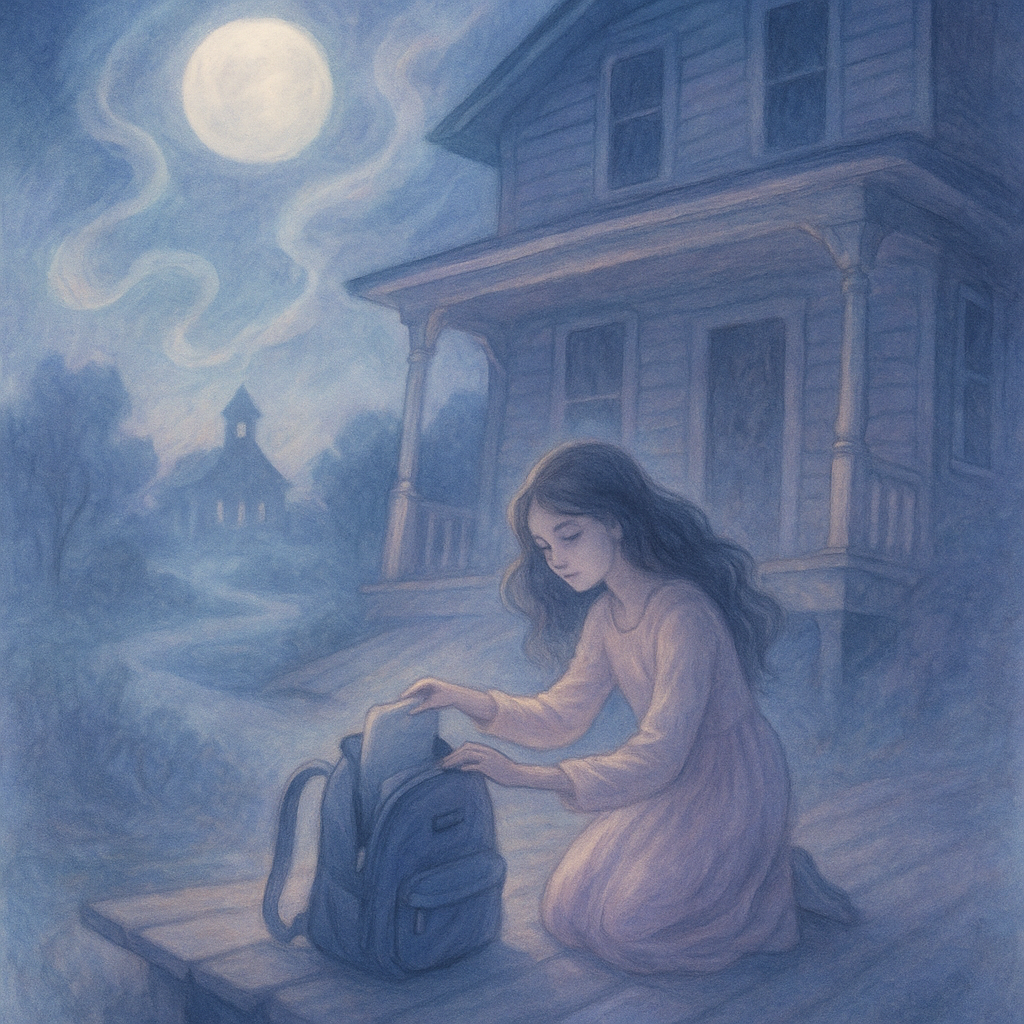
Last night I dreamed I was at my parents’ old house, the one with the tilting porch and creaky floors. I was supposed to be getting ready for school (even though I haven’t gone in years), packing my bag with those neon pens I liked in middle school. As I passed by the big hallway mirror near the coat rack, I noticed something was off. My reflection wasn’t looking at me directly—it was my body and clothes, but the face was my childhood friend Julia’s, complete with her crooked front tooth and that lopsided grin. She winked, which made me drop my backpack, scattering a handful of pens and a half-eaten granola bar onto the runner (the one Mom always yelled at me to clean up after). I reached out to touch the mirror, thinking maybe the glass was smudged or warped, but my reflection—Julia—just smiled wider. Behind her, I could see a living room filled with sunlight, way brighter than it ever was in that dim hallway. I remember feeling confused, but more than that, I felt oddly comforted, like I'd bumped into an old friend in an unexpected place.
Your Dream, Revealed
A calm, guided space to explore what this dream may be reflecting back to you.
Dream Overview
This dream unfolds in the unique setting of your parents’ old house, a place anchored in memory by its tilting porch and creaky floors. The emotional tone is layered—nostalgia and comfort interlace with confusion and unease, especially as you prepare for a school day that no longer exists in your adult life. The central tension arises sharply at the hallway mirror, where your reflection is replaced by your childhood friend Julia’s face, an unsettling yet oddly familiar presence. The scattered neon pens and half-eaten granola bar evoke both the chaos and intimacy of adolescence, with the runner and your mother’s voice hinting at patterns of order and mess. The inner conflict emerges through your attempt to reconcile the dissonance between self and other, past and present, in the face that looks back from the mirror. What distinguishes this dream is the blend of childhood artifacts, the uncanny transformation of your reflection, and the warm, sunlit living room that stands in stark contrast to the hallway’s dimness. Together, these details create a powerful tableau of self-recognition, memory, and the surprise of comfort found in unexpected forms.
The dream opens with a return: entering your parents’ old house, you are immediately drawn into sensory memory by the tilting porch and creaky floors. The act of preparing for school, despite its irrelevance to your current life, sets a tone of regression and ritual, as if rehearsing an old pattern. This calm is punctured at the mirror, where the ordinary act of self-checking becomes uncanny and destabilizing—Julia’s face, not your own, meets your gaze and asserts an unexpected agency by winking.
The shock of this encounter is physical as well as emotional—the dropped backpack, the scattered pens and granola bar, and the echo of your mother’s admonishments all pile up in a brief chaos. This phase is marked by a struggle to regain composure, to make sense of the disintegration of familiar roles and objects. Your attempt to touch the mirror is an active search for reality, questioning not just the glass but your own perceptions.
The final shift occurs with the widening smile of Julia’s face and the sudden appearance of the sunlit living room behind her. This new space, impossibly bright compared to the hallway, brings a wave of confusion that is quickly followed by comfort. The narrative closes with a sense of reconciliation—the uncanny has become inviting, and the boundaries between past, self, and possibility have softened.
Key Findings
• Returning to your parents’ old house highlights a longing or unresolved connection to earlier stages of your life. • The mirror scene, with Julia’s face replacing your own, points to a complex relationship with identity and how past friendships influenced your self-image. • Dropping your backpack and spilling its contents at the moment of recognition suggests that confronting unfamiliar aspects of yourself disrupts your sense of preparedness. • The sunlit living room behind the reflection introduces a vision of warmth and possibility that contrasts with your current confusion. • Feeling comforted despite the strangeness indicates an openness to embracing parts of yourself or your past that once felt distant or separate.
Symbol Interpretation
Parents’ Old House
This house embodies foundational memories and emotional landscapes that still echo in your present.
Hallway Mirror
The mirror is a site of self-examination and disorientation, revealing hidden aspects of your identity.
Julia’s Face
Julia’s presence suggests you are confronting elements of yourself shaped by friendship, rivalry, or admiration from childhood.
Backpack and Neon Pens
These items evoke preparation, creativity, and the vulnerabilities of adolescence.
Sunlit Living Room
This room represents hope, growth, or a possible reconciliation with parts of your past.
Runner and Mother’s Voice
This detail connects everyday messiness with parental expectations and echoes lingering internalized voices.
Emotional Landscape
Nostalgia is a powerful undercurrent throughout the dream, beginning with the sensory details of your childhood home and the familiar routines of getting ready for school. This is not a simple longing; it is tinged with the bittersweet realization that these routines and spaces are no longer part of your everyday life.
Confusion spikes at the point of recognizing Julia’s face in the mirror—this is not just about the uncanny, but about the destabilization of self, as if old friendships and rivalries are intruding on your most personal sense of identity. The physical reaction—dropping your backpack—adds an element of vulnerability, exposing the untidy, unguarded parts of yourself.
Yet, as the dream unfolds, a surprising sense of comfort emerges. The warmth of the sunlit living room and Julia’s familiar grin suggest that even the most disorienting encounters with the past can carry reassurance. It is as if the dream is gently reminding you that your history, with all its messiness, can still be a source of belonging.
Psychological Insight
Your return to your parents’ house and the act of preparing for school suggest a desire to revisit formative structures—a way of checking in with your roots while navigating the uncertainties of present life. The presence of Julia in your reflection complicates this journey: she stands in for aspects of yourself that were shaped by close relationships, perhaps representing qualities you admired, envied, or felt in competition with.
The spill of the backpack’s contents at the moment of recognition signals a psychological disruption; confronting these internalized figures or memories interrupts your attempt at order and readiness. There is also an undercurrent of avoidance: by focusing on the spilled objects and the runner, you momentarily divert attention from the emotional shock of the mirror.
The progression toward comfort and the illuminated living room points to a hidden desire for integration—making peace with the parts of yourself that emerged from childhood connections and conflicts. The dream subtly challenges you: are you willing to accept your own complexity, even when it arrives in unexpected, unsettling forms?
Spiritual Perspective
From a neutral spiritual or belief standpoint, this dream is not a message from beyond but a vivid encounter with the personal mythology you have built around home, friendship, and self-image. The specificity of your parents’ house, the echoing of your mother’s voice, and Julia’s familiar presence all ground the dream in the tangible world of memory rather than invoking supernatural meanings.
The appearance of the sunlit living room, accessible only through the mirror, can be seen as an invitation to recognize the potential for light and clarity within your own psyche—without needing to invoke external forces. In this way, the dream respects your neutral stance, rooting its insights in personal experience and the natural, sometimes mysterious, workings of memory and identity.
Integrative Insight
The interplay of nostalgia, disruption, and comfort in this dream reveals a readiness to face the multifaceted nature of your past. The shifting faces in the mirror and the spilling of cherished objects suggest that parts of yourself shaped by friendship and family expectation are not as separate as they once seemed. The dream gently confronts you with the idea that self-acceptance is not about erasing these old figures or routines, but recognizing how they continue to color your present.
By finding comfort in the uncanny and light in forgotten rooms, you are being invited to integrate rather than compartmentalize your history. Sometimes, the person you meet in the mirror is not a stranger, but a lost friend returning with a smile.
Reflection Questions
- When you saw Julia’s face in the mirror, what old feelings about friendship or rivalry resurfaced, and how do they echo in your current relationships?
- What does the act of dropping your backpack and spilling its contents reveal about your response to unexpected changes or revelations about yourself?
- How does the contrast between the dim hallway and the sunlit living room reflect your current outlook on revisiting your past versus moving forward?