A Islamic take on the dream of the abandoned classroom
Perspective: islamic
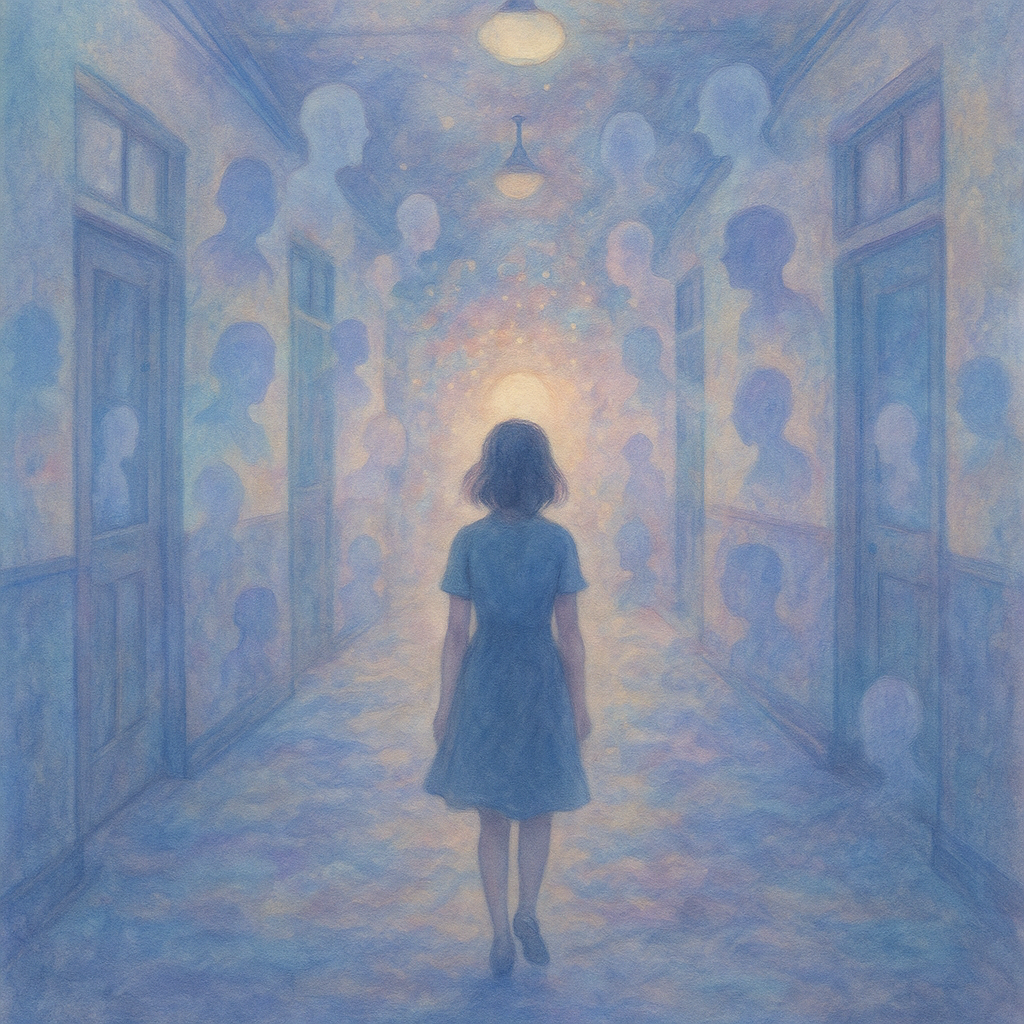
Your Dream
I’m walking down a corridor that smells faintly of chalk dust and old floor polish—like those days in middle school when the air was thick and stale, almost humming with leftover voices. I realize I’m barefoot, and the tiles are cold against my skin. My backpack feels too heavy, but I don’t remember packing it; I just know it’s weighing me down. I push open a door that sticks a little, and inside is a classroom—empty, desks stacked haphazardly in one corner, like someone tried to tidy up in a hurry but gave up halfway. Sunlight slants through dirty windows, making everything look pale and ghostly. There’s a single, crumpled note on the teacher’s desk, and for some reason I think it might have my name on it, but when I pick it up, the writing just blurs and wriggles like ants. The clock on the wall ticks loudly, even though the second hand is twitching in place. I try to find my usual seat, but I can’t remember where it is, or if I ever really belonged in this classroom at all. A pencil rolls off a desk and makes a little sound, and I wake up thinking I left something unfinished.
Your Dream, Revealed
A calm, guided space to explore what this dream may be reflecting back to you.
Dream Overview
The dream unfolds in a place thick with memory, its middle school corridor rendered in sensory detail that blurs past and present. The emotional tone is a mixture of heaviness, nostalgia, and displacement, sharpened by the unexpected sensation of bare feet on cold tiles. Central tension emerges from the backpack’s unexplained weight, a burden carried without clear origin or purpose. Key symbols—such as the sticky classroom door, the indecipherable note, and the malfunctioning clock—underline a struggle with unfinished business and lost belonging. Inner conflict is revealed in the dreamer’s futile attempt to locate a familiar seat, a gesture toward reclaiming a sense of place or identity. The haunting quality of sunlight over abandoned desks and the ticking clock injects a subtle urgency, as if time and memory are both stuck and slipping away. This dream is distinctive for its particular blend of sensory vividness and emotional ambiguity, leaving the dreamer suspended between longing for resolution and the fear of never quite fitting in.
The dream begins with the dreamer traversing a corridor saturated with sensory memory. This phase is marked by an evocative return to a place both familiar and unsettling, setting the stage for what follows. The realization of being barefoot introduces a jolt of vulnerability, shifting the atmosphere from passive nostalgia to active discomfort.
Crossing the sticky classroom door signals a movement from hallway transition to a more intimate confrontation with the self. Inside, the chaotic arrangement of desks and ghostly sunlight transform the scene into one of abandonment and disorder. The dreamer’s attempt to decipher the crumpled note, coupled with the relentless ticking of the stalled clock, initiates a phase of frustrated searching and growing anxiety.
The narrative reaches its emotional climax as the dreamer fails to find their seat, deepening the sense of not belonging. The final subtle movement—the pencil rolling off a desk—punctuates the dream’s unresolved quality, prompting the dreamer to wake with a lingering sense of something left undone. Throughout, each phase is layered with growing emotional stakes, anchored in concrete sensory details.
Key Findings
• The corridor’s smell and atmosphere evoke a strong sense of the past, suggesting unresolved feelings linked to formative years. • Walking barefoot on cold tiles introduces vulnerability and exposure, intensifying the dreamer’s sense of unease. • The heavy backpack, packed with unknown contents, symbolizes unexamined or inherited burdens. • The blurred note with the dreamer’s name implies a desire for acknowledgment that remains elusive. • The twitching clock and unfinished classroom scene point to a persistent anxiety about lost time and incomplete responsibilities.
Symbol Interpretation
Corridor
Represents a threshold between past experiences and present self-awareness, steeped in nostalgia but lined with discomfort.
Bare feet
Signifies vulnerability and lack of preparation, highlighting exposure in a familiar but unsettling environment.
Backpack
Embodies emotional or psychological burdens the dreamer carries without clear understanding or consent.
Blurred note
Reflects the dreamer’s need for recognition or closure that remains frustratingly out of reach.
Clock with twitching second hand
Represents stalled progress or anxiety about lost time, a sense of being stuck despite the noise of passing moments.
Stacked, abandoned desks
Suggests disrupted order and a failed attempt at resolution, echoing the dreamer’s own sense of incompletion.
Emotional Landscape
Nostalgia underpins the dream’s opening, but it is tinged with discomfort rather than warmth; the familiar corridor is not a place of safety, but of unresolved memory. Vulnerability is acutely felt in the physical sensation of bare feet, exposing the dreamer to the cold, hard surface of the past. This contrasts with the heaviness of the unseen backpack, creating an emotional tension between exposed fragility and unseen burdens.
Anxiety and frustration intensify within the classroom, where the dreamer searches for acknowledgment in the blurred note but finds only indecipherable marks. The loud, twitching clock amplifies a sense of urgency and stasis, as if time is both pressing forward and holding the dreamer in place. The failure to find a seat is not just about lost place, but about a deeper fear of never having belonged or finished what mattered.
Ultimately, the emotional residue is one of unfinished business, captured in the final sound of the pencil falling. It is a dream shaped more by longing and self-doubt than by any sense of resolution, leaving a poignant ache that carries into waking life.
Psychological Insight
The dreamer’s unconscious returns to a formative environment, not for comfort but to confront unresolved aspects of identity and belonging. The corridor’s thick air and humming voices speak to memories that are present but not integrated, suggesting unfinished psychological work. The weight of the backpack, carried without memory of its contents, points to burdens inherited or assumed without conscious choice, perhaps echoing familial or societal expectations.
The pursuit of meaning in the classroom—searching for a familiar seat, trying to read the note—reflects a deep desire for recognition, validation, or closure that is persistently denied. The blurred writing signifies the elusiveness of self-understanding or external acknowledgment, a frustration reinforced by the malfunctioning clock’s refusal to progress.
Avoidance is subtly at play; the dreamer’s inability to settle or complete a task mirrors a reluctance to face something unresolved in waking life. Yet by waking with the sense of something left unfinished, the dreamer is compelled to acknowledge their own longing for conclusion or acceptance, even if the nature of what’s missing remains ambiguous.
Spiritual Perspective
For a dreamer grounded in Islamic belief, the setting of a school corridor and classroom may evoke themes of learning, accountability, and self-examination. The feeling of carrying an unexplained weight aligns with the concept of amanah, or entrusted responsibility, which may feel heavy or unclear at times. The inability to read the note, despite sensing it bears one’s name, can resonate with the idea that certain knowledge or recognition is only granted at the right moment by Allah, and some matters are meant to remain hidden until their appointed time.
The unfinished quality of the dream may subtly echo the Quranic teaching that life itself is a journey of striving and repentance, and that feelings of incompletion are reminders to seek forgiveness, renewal, or clarity. There is a gentle invitation here, not to despair over what is left undone, but to remember that each day brings a renewed opportunity to find one’s place and fulfill one’s trust.
Integrative Insight
This dream weaves together personal memory, emotional vulnerability, and a search for meaning within the landscape of the past. The sensory intensity and unresolved tension signal not just nostalgia, but a living struggle with burdens that have yet to be unpacked or understood. The inability to find one’s seat or decipher the note points to a deeper uncertainty about belonging and purpose, intensified by the dreamer’s spiritual values around responsibility and self-examination.
While the dream lingers on what is unfinished, it also gently confronts the dreamer with the question of whether acceptance—rather than perfect resolution—might be the truer path. The most vivid truth of this dream is that the ache of incompletion is not a flaw; it is a sign that your journey is still alive, and your story unfinished.
Reflection Questions
- What memories or unresolved experiences from your school years might be contributing to the weight you felt in the backpack?
- In what areas of your current life do you sense that something important remains unfinished, like the note with blurred writing?
- How do you understand the feeling of not belonging in this dream, and how does it relate to your search for meaning or acceptance in your faith?